
Is Pain Ever Acceptable? A Qualitative Exploration Concerning Adult Perceptions of Chronic Pain

Chronic pain is an all-too-common experience, affecting a significant portion of the adult population. A systematic review by Fayaz et al. (2016) reveals that between 35% and 51% of adults in the UK suffer from chronic pain, a condition that transcends mere physical discomfort to deeply impact overall quality of life. From limiting daily activities […]
Understanding Pain: Unravelling the Physiology, Assessment, and Management of Pain through South African Stories

“Understanding Pain: Unravelling the physiology, assessment, and management of pain through South African stories” is an open access pain textbook edited by Romy Parker and Jocelyn Park-Ross. The book was funded by an IASP Developing Countries Education Grant and published in early August 2024 by the University of Cape Town Libraries. The book is freely […]
Management of Cancer Pain In Adult Patients: ESMO Clinical Practice Guidelines†

Cancer pain is a prevalent and often debilitating symptom for many patients, particularly those in the advanced stages of the disease. Studies consistently show that a significant portion of cancer patients experience pain, with rates ranging from 33% to 64% depending on the stage of cancer and type of treatment. This pain can significantly impact both physical and emotional […]
IASP 2024 WORLD CONGRESS REPORT

This year, the International Association for the Study of Pain (IASP) hosted their biannual congress in the Dutch capital, Amsterdam. 2024 marked the 50th anniversary of IASP and the international conference brought together clinicians and researchers from all corners of the world. The message was clear, that though we have come a long way in […]
Scientific Evidence-Based Effects of Hydrotherapy on Various Systems of the Body
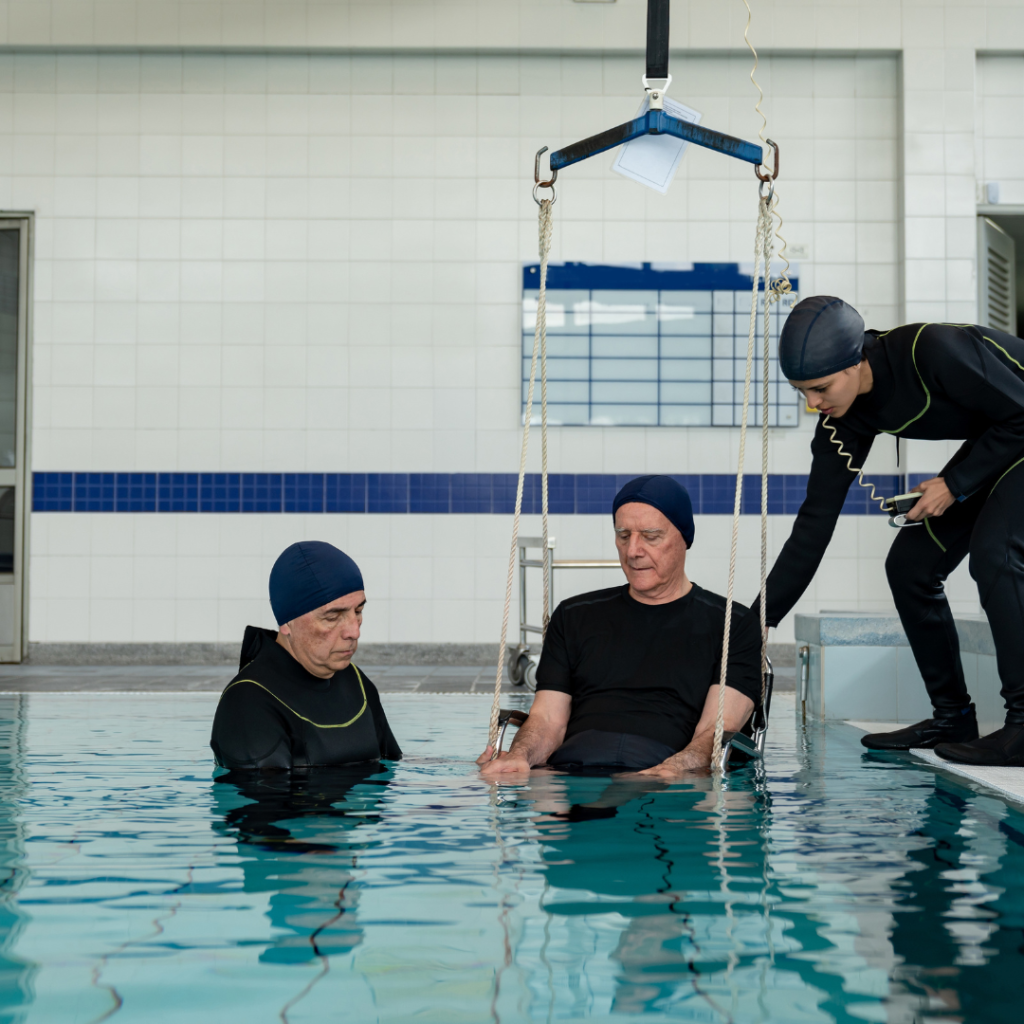
Hydrotherapy, a therapeutic practice that utilizes water in its various forms—liquid, ice, and steam—at different temperatures and pressures, has been used for centuries to address a range of health conditions. Despite its long history and global use, the scientific backing for hydrotherapy remains limited. This review seeks to consolidate existing research to better understand how […]
The Fit-for-Purpose Model: Conceptualizing and Managing Chronic Non-specific Low Back Pain as an Information Problem

Chronic nonspecific low back pain (LBP) is a complex and multifaceted condition, affecting millions worldwide. Understanding the intricate nature of this condition is essential for developing effective treatments. This article introduces a model designed to explain the development and persistence of chronic LBP, integrating factors across the biopsychosocial spectrum. The Fit-for-Purpose model suggests that individuals […]
New Insights about Chronic Pelvic Pain Syndrome (CPPS)

Chronic pelvic pain syndrome (CPPS) is a condition defined by persistent pelvic discomfort lasting longer than six months, significantly disrupting daily life. Unlike other pelvic pain conditions, CPPS is not linked to menstrual cycles,pregnancy, injuries, or surgical interventions. This integrative article provides a multidisciplinary perspective on the experience of women with CPPS.
The Relationship Between Traumatic Exposure and Pain Perception in Children: The Moderating Role of Post Traumatic Symptoms

Many of us know that bad experiences in childhood can have lasting effects on our health and well-being. But did you know they might also impact how we feel pain? This blog post explores a recent study that investigated the link between Adverse Childhood Experiences (ACEs) and pain perception in young children. ACEs are serious events like abuse, neglect, or […]
Physical Activity and Pain In People With and Without Cancer

While exercise is known to be effective for chronic non-cancer pain, its benefits for cancer-related pain are less certain. However, a recent study involving 10,000 cancer patients found that exercising for at least 30 minutes on most days may help reduce pain in those diagnosed with cancer.
An Enactive Approach To Pain: Beyond The Biopsychosocial Model

In this blog post, we explore a new and thought-provoking approach to understanding pain that goes beyond traditional models. While the widely accepted biopsychosocial model has made strides in integrating biological, psychological, and social factors, it remains limited by fragmented application and dualistic thinking. This article introduces the enactive approach to pain, a concept rooted in phenomenology […]