
Hope In The Context Of Chronic Musculoskeletal Pain: Relationships Of Hope To Pain And Psychological Distress

The hope cognitive model proposes that individuals with elevated hope levels possess the capacity to envision pathways towards their goals and are motivated to pursue these pathways (referred to as agency) to attain their objectives. It was our hypothesis that greater levels of hope would be linked to reduced pain, decreased psychological distress (specifically, anxiety […]
Pain Chronification: What Should a Non-Pain Medicine Specialist Know?

Pain serves as one of the most prevalent motivations for individuals to seek guidance from their primary care physicians. Approximately one in five adults in Europe grapples with chronic pain, making its management a substantial challenge within primary care. Chronic pain takes a toll on various aspects of life, including quality of life, workforce participation, […]
New Insights about Chronic Pelvic Pain Syndrome (CPPS)
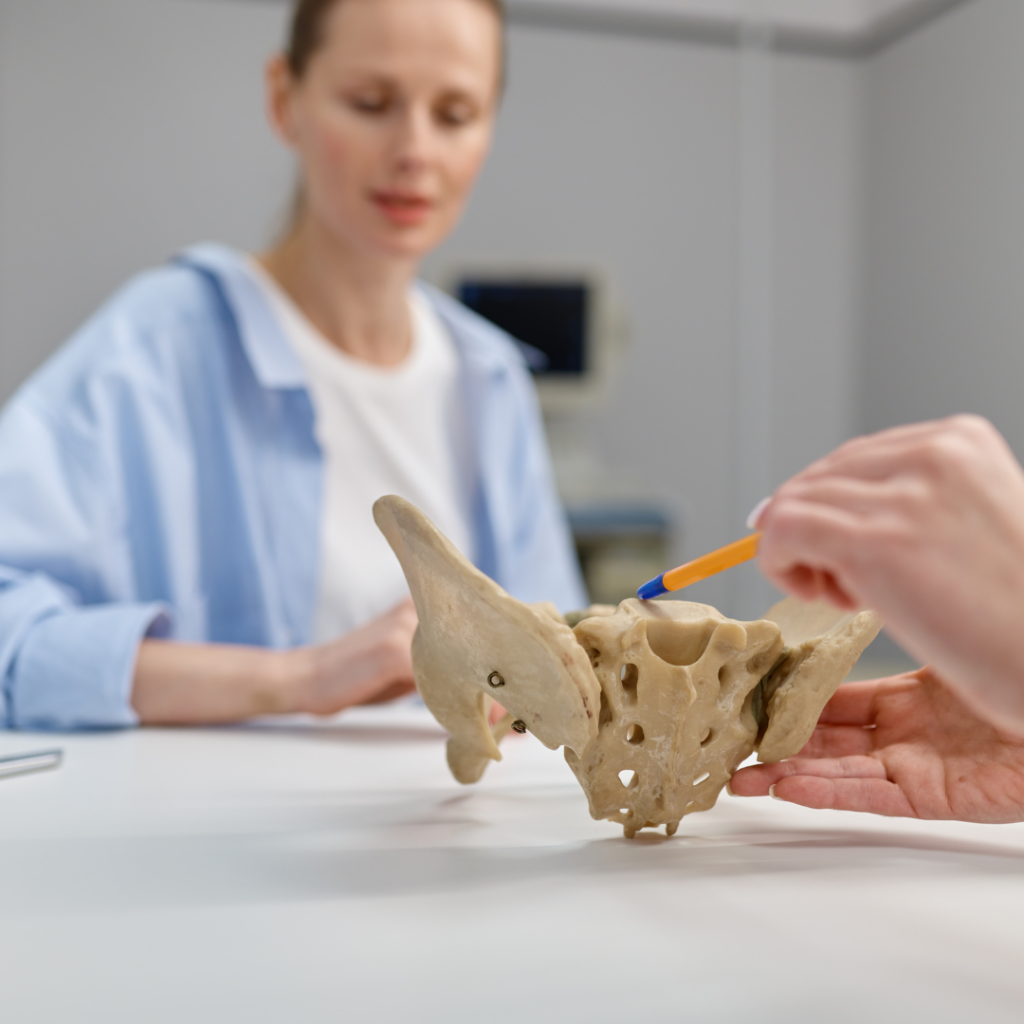
Chronic pelvic pain syndrome (CPPS) is characterized by persistent pelvic discomfort lasting for more than half a year, significantly impairing daily activities, and not associated with the menstrual cycle, pregnancy, physical injury, or pelvic surgeries. This integrative review was aimed at presenting an interdisciplinary overview on women CPPS patients.
Making Pain Research More Inclusive

Our current understanding of pain mechanisms and treatments primarily comes from studies that involve healthier, wealthier, younger, and predominantly White individuals. This lack of inclusivity limits the applicability of findings and hinders the development of effective interventions that work for diverse populations. Inclusive research practices are crucial to ensure equitable benefits for underrepresented groups in […]
Long-term Opioid Treatment and Endocrine Measures in Chronic Non-Cancer Pain Patients

The occurrence of chronic non-cancer pain (CNCP) has seen a substantial rise over the past few decades. This, coupled with the widespread and unchecked utilization of prescribed opioids, has emerged as a significant concern for public health. While there is some evidence, it is limited, regarding the possibility of endocrine dysfunction as a consequence of […]
Psychophysiologic Symptom Relief Therapy For Chronic Back Pain
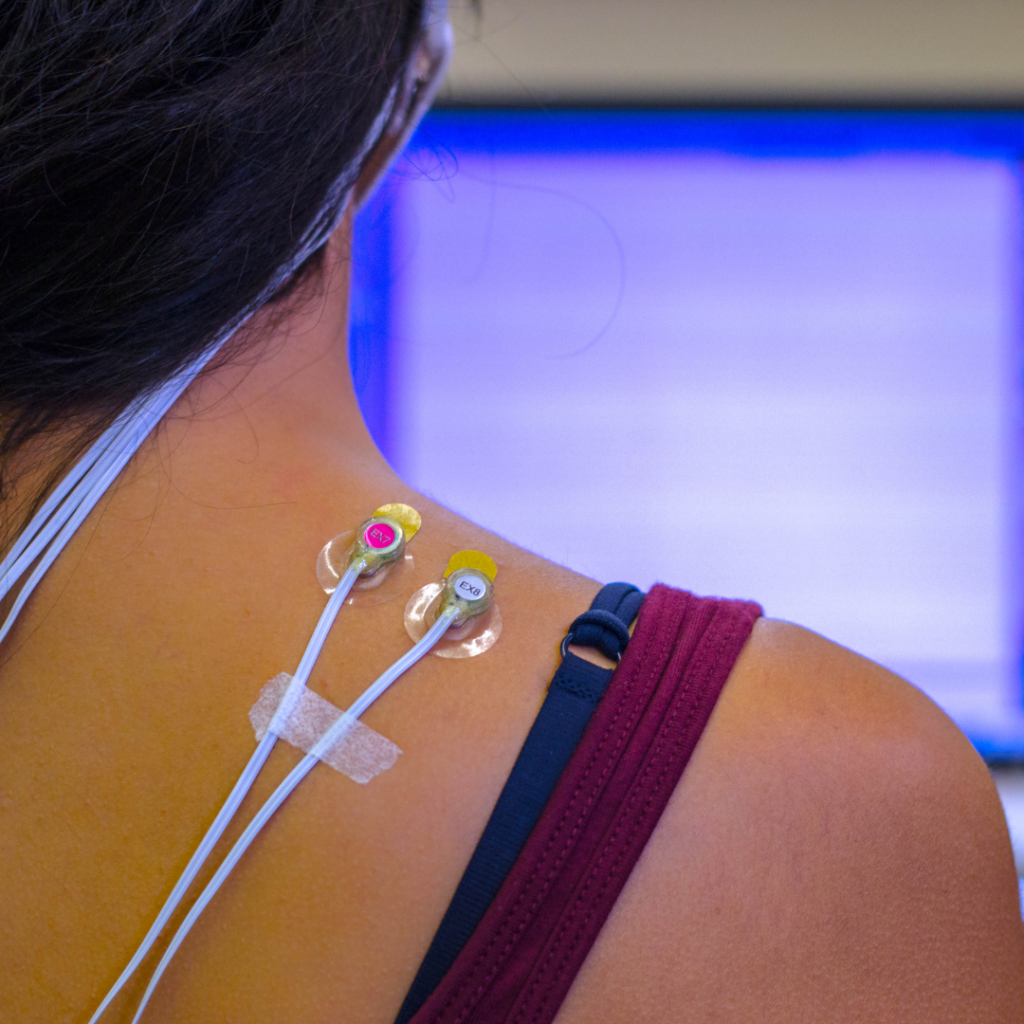
In the United States, chronic back pain stands out as the primary reason people experience disability. Considering the theory that non-specific back pain might have its origins in a mind-body connection, we’re suggesting a fresh approach to addressing this persistent issue.
Clinical Recommendations For Chronic Musculoskeletal Pain in South African Primary Healthcare

Worldwide, there is a prevalent occurrence of chronic musculoskeletal pain (CMSP) that exerts a substantial influence on individuals, healthcare systems, and economies. To maximize the effective application of existing evidence, it is recommended to employ clinical practice guidelines (CPGs) that are specifically adapted to the context of CMSP.
Differentiating Migraine, Cervicogenic Headache and Asymptomatic Individuals Based on Physical Examination Findings

Migraine and cervicogenic headache (CGH) are common but often hard to differentiate due to overlapping symptoms. This review aims to evaluate physical examination differences between migraine, CGH, and asymptomatic individuals.
Positive Childhood Experiences and Adult Mental and Relational Health in a Statewide Sample

Connections between negative childhood experiences and the likelihood of experiencing adult depression, inadequate mental well-being, and limited social and emotional backing have been recorded. However, there is limited understanding regarding the interactions and potential influence of positive childhood experiences on how negative childhood experiences impact adult mental and relational well-being.
Brain-to-Brain Mechanisms Underlying Pain Empathy and Social Modulation of Pain in the Patient-Clinician Interaction
Physicians’ demonstrations of empathy toward their patients can decrease the sensation of pain. Researchers used functional MRI (fMRI) to scan the brains of 20 patients with chronic pain to investigate how a physician’s demeanor may affect patients’ sensitivity to pain, including effects in the central nervous system. During the scans, which were conducted in two […]