
Cognition and Pain: A Review

Cognition refers to the brain’s capacity to gather, handle, retain, and recall information. Pain, perceived as distressing sensory or emotional sensations, necessitates cognitive processing for conscious awareness. Cognitive function significantly influences pain assessment by involving the learning and remembering of past encounters. Research suggests a potential connection between the neural systems for cognition and pain […]
Failed Back Surgery Syndrome: An Updated Review

Failed Back Surgery Syndrome (FBSS), post lumbar surgery syndrome, and recently persistent spinal pain all refer to the same condition, as defined by the International Association for the Study of Pain. This condition involves ongoing or recurring pain following back surgery, which may not improve adequately or could even worsen. Neuropathic pain, which is frequently […]
Pain Experience And Mood Disorders During The Lockdown Of The COVID-19 Pandemic In The United States: An Opportunistic Study

The unpredicted and unmanageable circumstances of the COVID-19 pandemic could have led to shifts in levels of pain, anxiety, and depression, as well as an altered awareness of general COVID-19 symptoms.
Symptoms, Symptom Relief And Support In COVID-19 Patients Dying In Hospitals During The First Pandemic Wave

During the initial phase of the COVID-19 pandemic in Sweden, there was limited knowledge regarding the efficacy of our standard end-of-life care approaches for patients succumbing to COVID-19 in hospital settings. The primary objective of the research was to examine and assess the end-of-life care provided to patients who died from COVID-19 in Swedish hospitals, […]
The Valencia Consensus-based Adaptation Of The IASP Complex Regional Pain Syndrome Diagnostic Criteria

The diagnostic specificity for complex regional pain syndrome (CRPS), also known as “the Budapest Criteria,” has been enhanced by the new IASP diagnostic criteria. These updated criteria maintain a high level of sensitivity and have gained widespread adoption internationally.
Spinal Injection Techniques- A Book Review

In an effort to tackle the substantial issue of chronic pain affecting approximately 20.4% of the US population, Theodoridis and Kraemer’s second edition text focuses on a significant subset of these patients: those with spine-related complaints. This comprehensive guide offers techniques that serve as a valuable link between conservative and surgical therapies, with a particular […]
Osteoarthritis In People Over 16
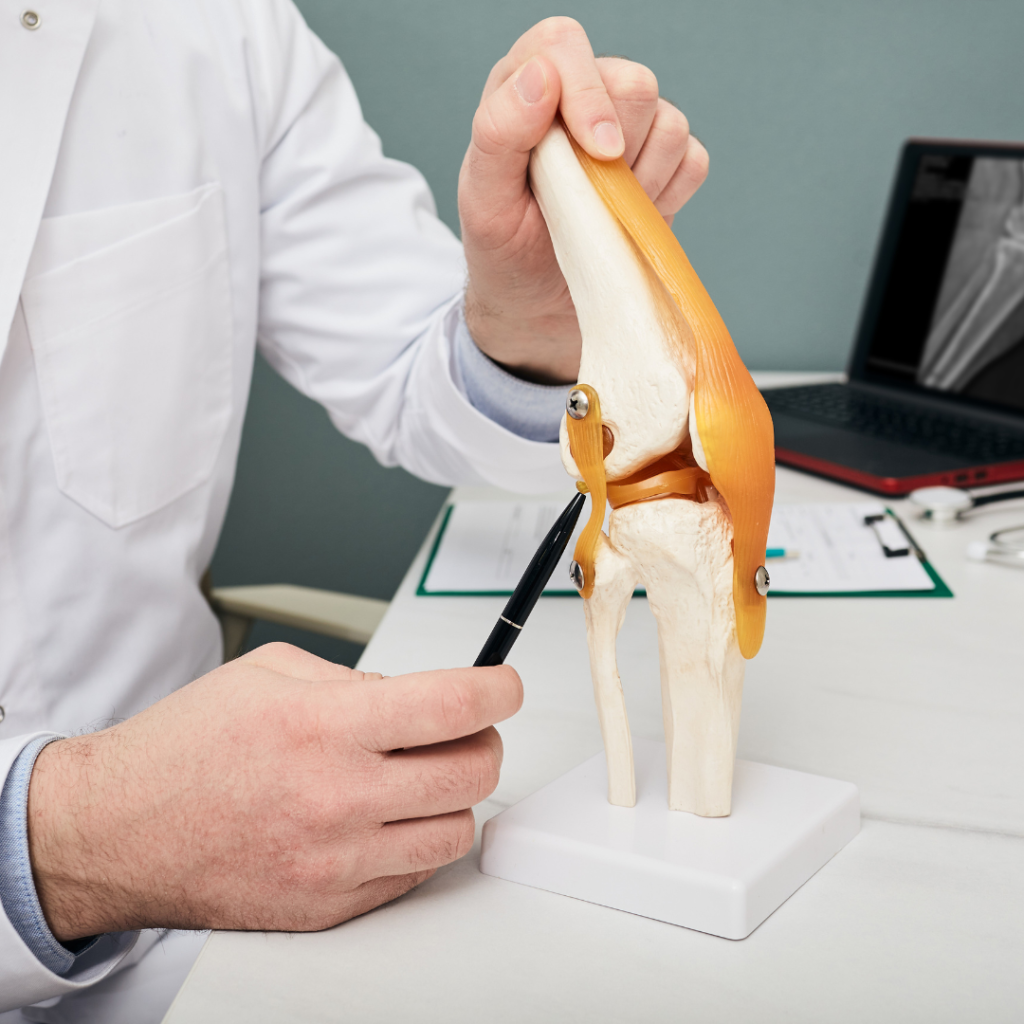
Osteoarthritis is a prevalent condition causing joint pain and stiffness, affecting millions. This article summarizes the latest NICE guidelines for diagnosing and managing the condition. https://doi.org/10.1136/bmj.p24
Opioid Reduction Following Interventional Procedures for Chronic Pain

Interventional therapies and pharmacological methods, encompassing both opioid and nonopioid medications, are frequently employed in the management of chronic noncancer pain (CNCP).
Return To Work Interventions For Chronic Pain

Chronic pain (CP) continues to be a leading cause of work absenteeism, with tertiary return to work (RTW) interventions targeting the improvement of psychological and physical capabilities among individuals already on sick leave. However, the effectiveness of these interventions for workers with chronic pain remains uncertain.
Celiac Plexus Neurolysis for Abdominal Cancers:

Although the effectiveness of celiac plexus neurolysis (CPN) in reducing pancreatic cancer pain has been confirmed, there is still limited information available regarding its application in other contexts.