
Core outcome set for pediatric chronic pain clinical trials

Despite the high prevalence, cost, and impact of child and adolescent chronic pain, the evidence base for chronic pain interventions is limited and considered a priority to address. Appropriate outcome measures and high-quality intervention trials are critical to advancing care.
Effect of Pain Reprocessing Therapy vs Placebo and Usual Care for Patients With Chronic Back Pain: A Randomized Clinical Trial

Chronic back pain (CBP) is a leading cause of disability, and treatment is often ineffective. Approximately 85% of cases are primary CBP, for which peripheral etiology cannot be identified, and maintenance factors include fear, avoidance, and beliefs that pain indicates injury. The objective is to test whether a psychological treatment (pain reprocessing therapy [PRT]) aiming […]
Effect of statin therapy on muscle symptoms: an individual participant data meta-analysis of large-scale, randomised, double-blind trials
The cholesterol-lowering medications known as statins have long been thought to be the cause of some muscle pains, sometimes confounding or delaying the diagnosis of other acute or chronic pain conditions. This large meta-analysis of just under 124 000 participants found that statin therapy caused a small excess of mostly mild muscle pain. Most (>90%) […]
Core outcome set for pediatric chronic pain clinical trials

Appropriate outcome measures and high-quality intervention trials are critical to advancing care for children with chronic pain. Our aim was to update a core outcome set for pediatric chronic pain interventions. The first phase involved collecting providers’, patients’, and parents’ perspectives about the treatment of pediatric chronic pain to understand clinically meaningful outcomes to be […]
Dry needling has lasting analgesic effect in shoulder pain

Musculoskeletal pain disorders rank as the 10th leading cause of years lived with disability worldwide. Shoulder pain is responsible for up to 20% of musculoskeletal complaints, leading to inability to work, loss of productivity, and a considerable burden for the patient and society. Shoulder pain is a common complaint of all ages, and it is […]
Efficacy of an opioid-sparing analgesic protocol in pain control after less invasive cranial neurosurgery

Management of postoperative pain after cranial surgery remains a major challenge. Although surgical techniques and perioperative care have improved greatly, these patients continue to receive the same postoperative analgesia as decades ago, with opioids predominating. Given the need for accurate neurological assessments after surgery, opioids are often used sparingly for fear of sedation.
Pain sensitivity does not differ between obese and healthy weight individuals

There is emerging evidence suggesting a relationship between obesity and chronic pain. The aim of this study was to determine whether pain-free obese individuals display altered pain responses to acute noxious stimuli, thus raising the possibility of greater pain sensitivity and potential susceptibility for chronic pain development.
Psychophysiologic symptom relief therapy for chronic back pain: a pilot randomized controlled trial

Chronic back pain is the leading cause of disability in the United States. Based on the hypothesis that nonspecific back pain may be rooted in a psychophysiologic etiology, we propose a new approach to chronic back pain. Read More
Sensory Modulation Disorder (SMD) and Pain: A New Perspective

Sensory modulation disorder (SMD) affects sensory processing across single or multiple sensory systems. The sensory over-responsivity (SOR) subtype of SMD is manifested clinically as a condition in which non-painful stimuli are perceived as abnormally irritating, unpleasant, or even painful. Moreover, SOR interferes with participation in daily routines and activities (Dunn, 2007; Bar-Shalita et al., 2008; […]
The impact of epidermolysis bullosa on the family and healthcare practitioners: a scoping review
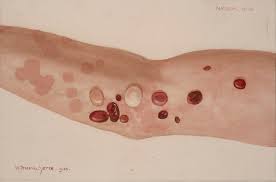
Epidermolysis bullosa (EB) is an inherited genodermatosis that results in mucocutaneous fragility. There is a lack of data on the impact of this disease on parents. There are no studies on the impact on siblings and few on healthcare professionals in dealing with this devastating disease. Methods A scoping review was performed using the Arksey […]