
Identifying the Presence of Ethics Concepts in Chronic Pain Research: A Scoping Review of Neuroscience Journals

Chronic pain is a pervasive and invisible condition that affects people in a myriad of ways including but not limited to their quality of life, autonomy, mental and physical health, social mobility, and productivity. There are many ethical implications of neuroscience research on chronic pain, given its potential to reduce suffering and improve the lived […]
Targeting the stress response in pediatric pain: current evidence for psychosocial intervention and avenues for future investigation

Nonpharmacological treatments for chronic pain in youth have been identified as first-line treatments over and above medication. Therapies such as cognitive-behavioural therapy and mindfulness-based stress reduction have shown good efficacy in reducing the psychological correlates (eg, anxiety, depression, and stress) and social or behavioural sequelae (eg, limited physical activity and lack of school engagement) associated […]
Acute inflammatory response via neutrophil activation protects against the development of chronic pain
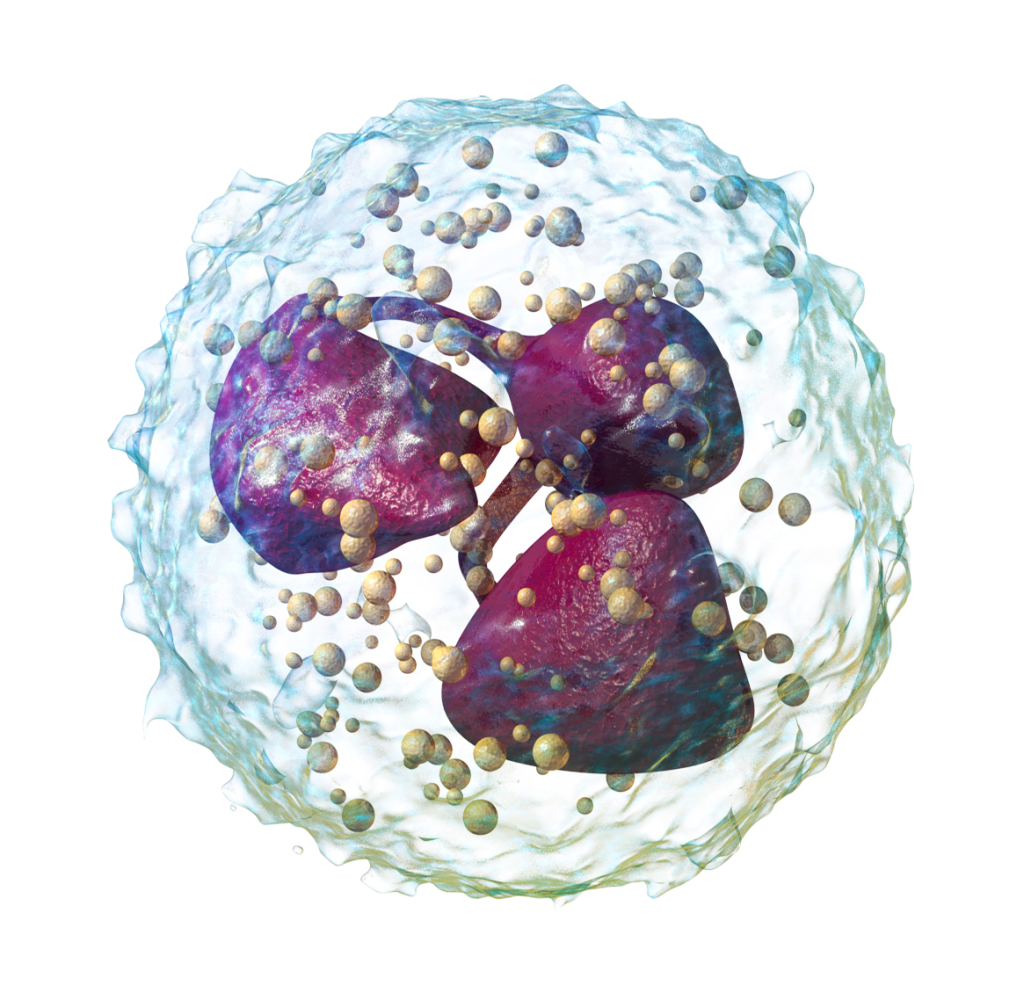
Chronic pain can develop from an acute pain state, but the mechanisms mediating the transition from acute to chronic pain remain to be elucidated. Here, Parisien et al. focused on the immune system using samples from patients and animal models. Transcriptomic analysis in immune cells from subjects with low back pain showed that neutrophil activation-dependent […]
GAPPA Launches the Your Letter to Pain Initiative

The Global Appliance of Partners for Pain Advocacy (GAPPA) is devoted to bringing together patient advocates, organizations, scientists, clinicians, healthcare providers, and policymakers to create better outcomes for the understanding, awareness, and research, to advance pain management throughout the world. GAPPA’ s newest initiative, My Letter to Pain, invites those living with pain to contribute […]
“So, you must understand that that group changed everything”: perspectives on a telehealth group intervention for individuals with chronic pain

The Patient Education Empowerment Programme (PEEP) is an interdisciplinary group intervention for people living with chronic pain. As a result of the COVID-19 pandemic, lockdown and restrictions on in-person group-based health care delivery in South Africa, PEEP was modified to a telehealth electronic format (ePEEP) and offered to patients on a waiting list at two […]
Abstracts from the International Pelvic Pain Society (IPPS) Annual Scientific Meeting on Pelvic Pain
Despite the challenges of 2020, the 23rd International Pelvic Pain Society (IPPS) was successfully conducted in a virtual format. The 2020 annual meeting program was adapted to overcome the challenges of the COVID pandemic while still promoting interdisciplinary education and collaboration. In the end, more than 200 clinicians, researchers, and educators from all over the […]
Hope in the context of chronic musculoskeletal pain: relationships of hope to pain and psychological distress

The cognitive model of hope suggests that people with high levels of hope are able to think about the ways to goals (pathways) and motivated to pursue those pathways to reach their goals (agency). We hypothesized that higher levels of hope would be related to lower levels of pain and less psychological distress (ie, anxiety […]
Register Now: May IASP Virtual Events
Register for these Upcoming Virtual Events 17 May: Global Year Webinar Translating Findings From Nonpharmacological Interventions into Practice: Neuromodulation Register for this webinar exploring the development of neuromodulation techniques, how they have been put into practice, and their continued research and development.Featuring: Didier Bouhassira, MD, PhD, Director of Research at the National Institute for Health and Medical […]
Peripheral Neuropathy Evaluations of Patients With Prolonged Long COVID

Recovery from severe acute respiratory syndrome coronavirus 2 (SARS-CoV-2) infection appears exponential, leaving a tail of patients reporting various long COVID symptoms including unexplained fatigue/exertional intolerance and dysautonomic and sensory concerns. Indirect evidence links long COVID to incident polyneuropathy affecting the small-fibre (sensory/autonomic) axons. Read More
Applying Modern Pain Neuroscience in Clinical Practice: Criteria for the Classification of Central Sensitization Pain

The awareness is growing that central sensitization is of prime importance for the assessment and management of chronic pain, but its classification is challenging clinically since no gold standard method of assessment exists. Read More